With the acceleration of urbanization, urban underground integrated pipe galleries, as a crucial part of urban infrastructure, undertake the task of transmitting various energy sources and information such as electricity, telecommunications, gas, and water supply. Due to their complex structure and critical functions, the maintenance and management of pipe galleries are of great significance to the operation of cities. The traditional manual inspection method is inefficient and high-risk, while intelligent inspection robots, as an advanced technology, provide a brand-new solution for pipe gallery management.
The track-type inspection robots for integrated pipe galleries conduct inspections by moving along hanging tracks. They are equipped with a variety of sensors, including high-definition cameras, infrared thermal imaging identification devices, gas detectors, and temperature-humidity monitors, as well as a two-way voice intercom system. This system can monitor on-site environmental information in real time and improve the efficiency of inspections. Its main features are as follows:
Efficient Inspection: The robot can work continuously in complex environments without being restricted by time or environmental conditions.
High-Precision Detection: It can detect subtle abnormal situations and provide early warnings for potential equipment failures.
Safety Guarantee: It replaces manual work in hazardous areas with high temperature, high humidity, oxygen deficiency, or toxic gases, reducing risks for operators.
British DDS Technology S+4OX: An electrochemical oxygen sensor, suitable for fields such as iron and steel, petrochemical, medical care, and tunnels.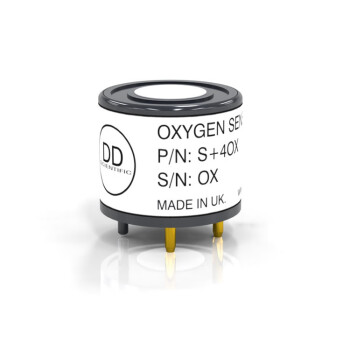
British DDS Technology S+4OXLF: A lead-free oxygen sensor with higher durability and performance.
British DDS Technology GS+4CO: Features high precision, linear output, and minimal zero drift.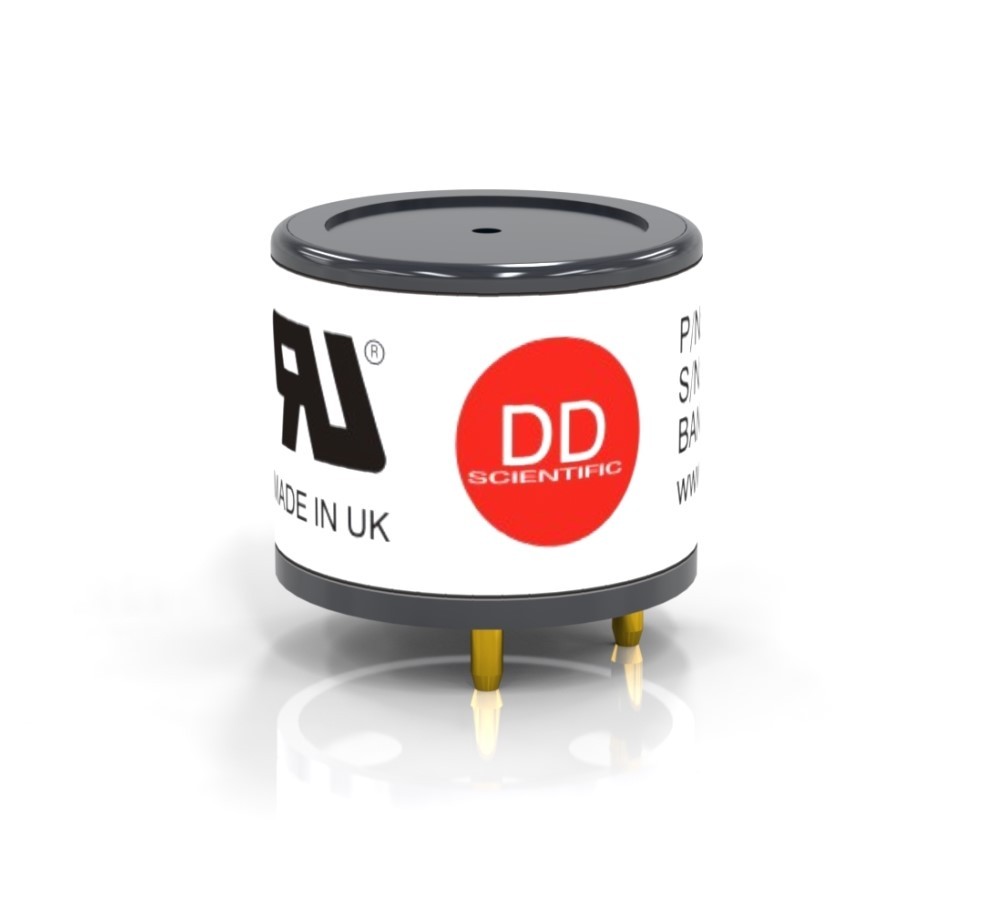
British DDS Technology GS+4H₂S: Boasts high stability, fast response and recovery time, strong environmental adaptability, and low cross-sensitivity to methanol.
Compared with traditional manual inspection, intelligent inspection robots are more efficient. They can work continuously in complex pipe gallery environments without being limited by time or environmental conditions, significantly increasing the frequency and precision of inspections. At the same time, the robots can detect subtle abnormal situations and provide early warnings for potential equipment failures, thus preventing accidents.
Hazardous factors such as high temperature, high humidity, oxygen deficiency, and toxic gases often exist in pipe gallery environments, posing significant risks to manual inspection. Intelligent inspection robots can replace humans in entering these dangerous areas to perform reliable inspection operations, thereby effectively reducing risks for operators.
With the continuous expansion of urban infrastructure, the tasks of inspecting and maintaining pipe galleries are increasing day by day. Intelligent inspection robots can work around the clock without interruption, reducing reliance on human resources and lowering operating costs. In addition, the robots can conduct intelligent data analysis, reducing the time and errors associated with manual data interpretation and improving work efficiency.
The application of various gas sensors in integrated pipe gallery inspection robots not only improves the efficiency and precision of inspections but also significantly reduces risks and saves labor costs. By integrating advanced sensing technology and intelligent control systems, inspection robots can achieve comprehensive monitoring and early warning in complex and changeable pipe gallery environments, ensuring the reliable operation of equipment and promoting the development of urban infrastructure management towards intelligence. In the future, with the continuous advancement of technology, inspection robots will play an important role in more fields and contribute to the construction of smart cities.