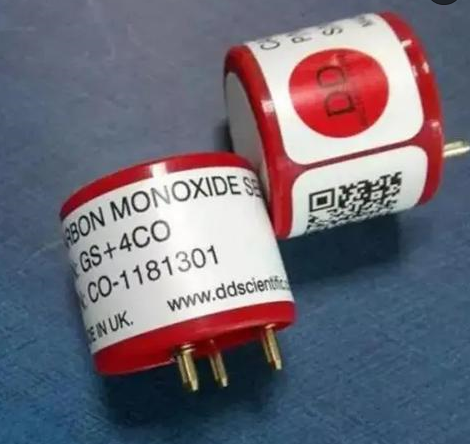
Carbon monoxide is one of the common toxic gases. Any carbon-containing substance, such as coal and wood, can produce carbon monoxide (CO) when incompletely burned. After entering the human body, carbon monoxide quickly combines with hemoglobin to form carboxyhemoglobin, which is not easy to dissociate. When the concentration of carbon monoxide is high, it can also combine with the iron in cytochrome oxidase, inhibiting cellular respiration and causing poisoning.
The symptoms of carbon monoxide poisoning mainly include headache, palpitations, nausea, vomiting, general weakness, syncope and other signs. In severe cases, there may be coma, convulsions, and even death. According to the severity of carbon monoxide poisoning, it can be divided into three degrees:
Mild degree: The blood carboxyhemoglobin content is between 10% and 20%. Symptoms include headache, dizziness, palpitations, nausea, vomiting, general weakness or transient syncope, which can be quickly relieved after leaving the polluted environment.
Moderate degree: The blood carboxyhemoglobin content is between 30% and 40%. In addition to the aggravation of the above symptoms, the skin and mucous membranes show a cherry red color, with rapid pulse and irritability. Coma or collapse often occurs, but complete recovery is possible after timely rescue.
Severe degree: The blood carboxyhemoglobin content is above 50%. In addition to the further aggravation of the above symptoms, the patient may suddenly faint and then fall into a coma. It may be accompanied by myocardial damage, hyperpyretic convulsions, pulmonary edema, cerebral edema, etc., and sequelae may generally occur.
Electrochemical principle
Size of Series 4
Measuring range of CO: 0~2000ppm
Linear output
Resistance to interference from NH3, SO2 and H2S