Nowadays, sensors have integrated into every corner of life. They can analyze users' daily behaviors and expand the ways users interact with the surrounding world. Examples include commonly used motion sensors, temperature and humidity sensors, etc. The use of these common smart sensors can greatly enhance the convenience and [Note: The original text is missing a character here, e.g., "safety" or "comfort"; please supplement the complete word for an accurate translation] of life.
In the design of popular smart home products, there are solutions for air purifiers, toxic gas detection devices, and other products. All these popular applications rely on the operation of sensors.
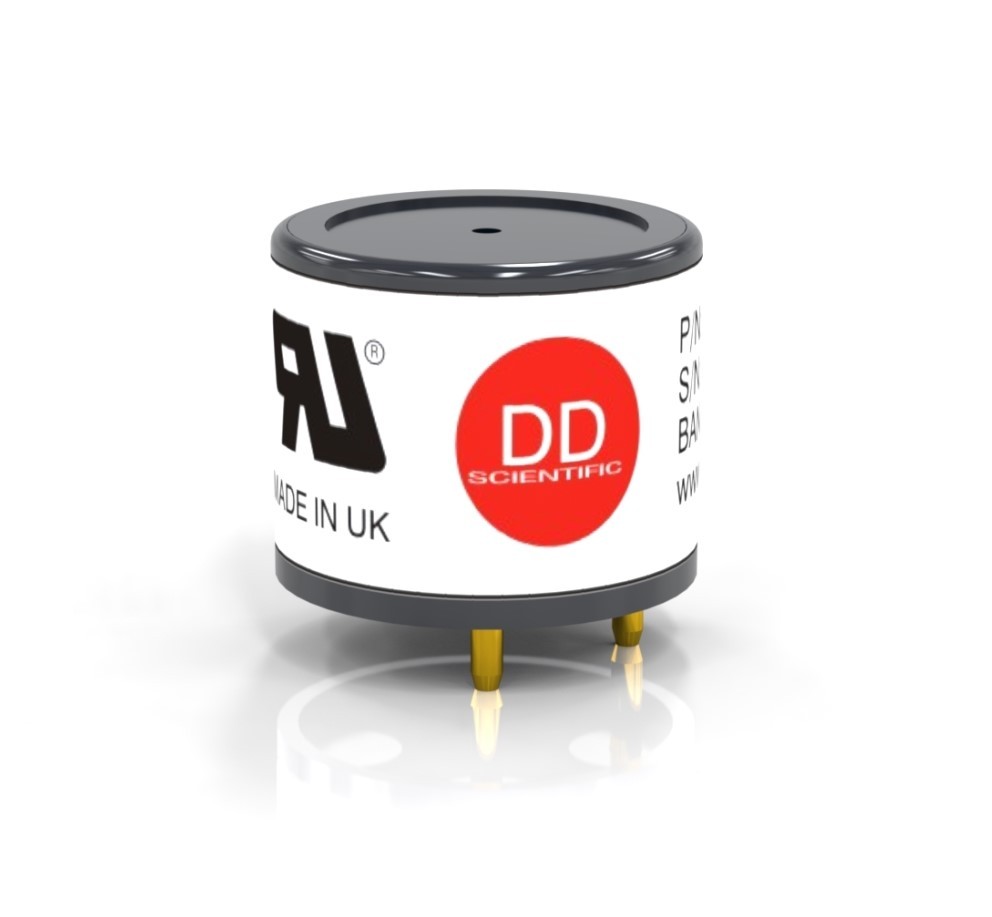
Carbon monoxide poisoning endangers people's personal [Note: The original text is missing a character here, most likely "safety"; please confirm the complete word for an accurate translation] at all times, while harmful gas sensors can act as "bodyguards" for families, continuously detecting the presence of harmful gases in the air for them. Once toxic gases are detected, an alarm can be triggered immediately. Moreover, these sensors can be linked with the exhaust fans or windows at home – when harmful gases are detected, the exhaust fans are activated and the ventilating windows are opened.
The toxic gas detection solution is based on carbon monoxide (CO) gas detection. It can detect the concentration of the hazardous gas CO in the environment, and clearly display the gas concentration, peak value, and high/low concentration alarm levels. If the current high or low gas concentration exceeds the preset limit, the alarm will alert the user with both sound and light signals.