Food is the paramount necessity of the people. Grain is a national strategic material and emergency supply, and local grain storage is a crucial foundation for safeguarding the country and maintaining stability. The macro-control of grain is the main means to protect national grain security, and grain depots are the basis for the macro-control of grain. Therefore, the intelligent control and precise management of grain depots are key to achieving efficient grain storage.
National grain reserves are warehouses specially used for storing grain by the state to cope with grain shortages caused by emergencies and regulate and stabilize grain prices in normal times. According to their nature of affiliation, national grain reserves are divided into central grain reserves (managed by China Grain Reserves Corporation) and local grain reserves. By purpose, they are categorized into collection depots, transit depots, and reserve depots.
A sound smart grain system can help the country save grain while reducing the input of human and material resources. The primary task in grain storage is insect control. Aluminum phosphide is a highly effective insecticide for stored grain that has been promoted and applied by China's grain sector in the past; it is widely used for insect control in grain silos. When it encounters water or absorbs moisture, it deliquesces and releases highly toxic phosphine gas. Grain depot laboratory technicians (when sampling and testing) and warehouse keepers (when entering silos to measure temperature and humidity, and inspect grain conditions and insect infestations) may be exposed to phosphine gas. Some of them suffer from phosphine poisoning due to a lack of hygienic knowledge.
To study the concentration of phosphine in grain silos during fumigation and the time required for the concentration to drop below the national health standard after fumigation, it is necessary to monitor the changes in phosphine gas concentration in the silo after fumigation, as well as the concentrations of gas environments such as O₂ and CO₂. Given that the fumigation method poses significant risks to both grain quality and the safety of operators, this fumigation method is gradually being phased out and replaced by the principle of controlled-atmosphere grain storage. By installing nitrogen circulation pipelines inside the grain silo, every grain in the silo "breathes" in a nitrogen environment. Nitrogen is filled to displace the oxygen in the silo, maintaining an oxygen-free state throughout the silo. This inhibits the growth of pests, preserves grain quality, and meets the standards for green grain storage.
Controlled-atmosphere grain storage causes little damage to crops and is simple and safe for personnel to operate, so it has been rapidly popularized. This technology uses artificial adjustment to create an oxygen-deficient or oxygen-free environment inside the grain storage silo, which blocks the metabolic activities of harmful organisms. It achieves the goals of controlling the breeding and spread of pests, inhibiting mold growth, reducing the respiration and physiological metabolism intensity of grain, and delaying the aging of grain quality.
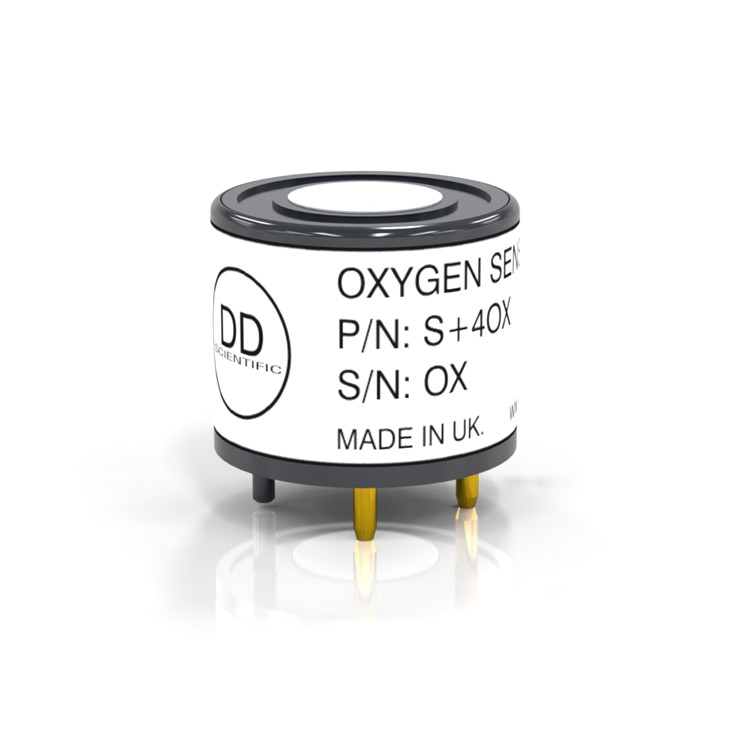
Shenzhen Wuliang Sensor Technology Co., Ltd. recommends the S+4OX
oxygen sensor. With a size in the 4-series, it features low power consumption, making it suitable for battery-powered applications. It does not contain lead (a toxic substance), so it is highly environmentally friendly. It is widely used in oxygen detection, portable devices, ventilators, inerting, medical care, laboratory equipment, agriculture, incubation equipment, infant incubators, fire prevention, boiler condensation exhaust gas detection, plateau oxygen supply, and diffuse oxygen supply.