Hydrogen sulfide is a gas produced by the decomposition of sulfur-containing organic matter or the reaction of metal sulfides with acids. It is colorless, has the odor of rotten eggs, is highly volatile, and produces a blue flame when burned. Hydrogen sulfide is widely present in the sugar manufacturing, pharmaceutical, textile, dyeing industries, and urban sewers. Firefighters should be particularly alert to hydrogen sulfide poisoning when fighting such fires or conducting emergency rescue operations.
In cases of acute poisoning, local irritation symptoms include tearing, burning pain in the eyes, photophobia, and conjunctival hyperemia; severe coughing, chest tightness, nausea, vomiting, dizziness, and headache. As the poisoning worsens, symptoms such as difficulty breathing, palpitations, cyanosis of the face, high excitement, mania, and even convulsions, confusion, and finally coma (unconsciousness) and generalized cyanosis may occur. If exposed to a concentration of 980 mg/m³ to 1260 mg/m³ for only 15 minutes, the patient will fall into a coma, followed by respiratory paralysis and death.
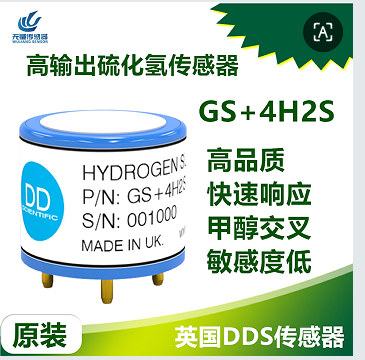
Shenzhen Wuliang Sensor Technology Co., Ltd. provides hydrogen sulfide gas sensors, as specified below:
Electrochemical principle
Size of Series 4
Measuring range for H2S: 0~100 ppm
Linear output
Resistant to interference from NH3, SO2, CL2, C2H2, and CO2