Application of Temperature and Humidity Sensors and Carbon Dioxide Sensors in Agricultural Greenhouses
With the development of society and the advancement of scientific and technological productivity, a large number of emerging agricultural technologies have emerged. For example, the environmental conditions for crop growth can be controlled by greenhouses and their supporting facilities, thus breaking away from the dependence on and constraints of nature. Greenhouse cultivation needs to rely on various sensors such as temperature and humidity sensors and carbon dioxide sensors to collect the environmental conditions inside the greenhouse. These collected data are then compared with the optimal conditions for crops, and the greenhouse environment is adjusted through the control system accordingly.
The continuous development of agricultural science and technology has promoted the constant development and improvement of the agricultural planting structure. The enhancement of scientific awareness and the continuous updating of improved crop varieties have greatly increased crop yields. However, despite the huge growth potential of agricultural production, its development has been plagued by several problems. A typical example is the contradiction between the high demand for carbon dioxide during crop growth and the severe shortage of carbon dioxide in the atmosphere.
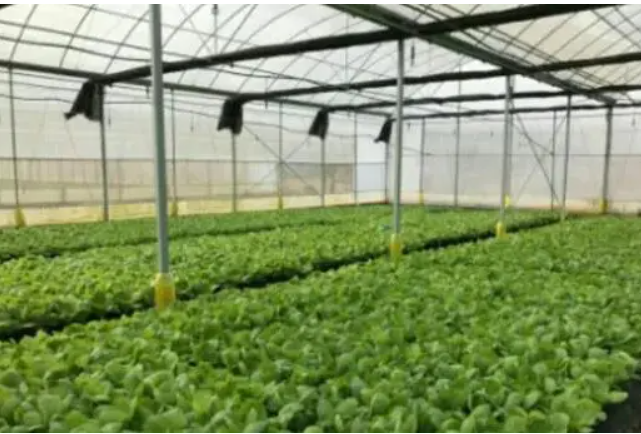
Crop growth is greatly affected by temperature and humidity. Many reported cases of agricultural yield reduction are closely related to inappropriate temperature and humidity levels. The application of temperature and humidity sensors for measurement and control can effectively prevent extreme conditions such as severe droughts and floods. Moreover, by understanding the optimal temperature and humidity requirements of different crops, we can create a more suitable growth environment, which will significantly boost crop yields.
In conclusion, sensors are an important component in realizing the measurement and monitoring of agricultural cultivation, as well as the key parts of temperature and humidity monitoring systems. Without sensors to accurately and reliably capture and convert original environmental signals, temperature and humidity monitoring systems cannot fulfill the various functions required for agricultural production. In the industrial production process, most of the automated measurement and control rely on various sensors to detect and regulate various parameters during production, ensuring that the system operates in an optimal state.