The Earth is abundant in natural resources, among which mineral resources are a gift from nature to humanity. A large portion of the various energy sources currently used by humans comes directly or indirectly from the Earth's mineral resources. China is a country with vast coal reserves in the world. During the coal mining process, many miners have sacrificed their precious lives. The frequent occurrence of mine disasters has attracted people's attention. Besides mine collapses, a crucial reason for these frequent mine disasters is miners' carbon monoxide poisoning.
Common sense in life tells us that before entering a relatively deep cave or mine, we should first use a torch to explore the way ahead. If the torch continues to burn, it is a signal that entry is safe; if the torch goes out, it indicates that the oxygen content in the cave or mine is insufficient while the carbon monoxide content is too high. To detect whether carbon monoxide is excessive, humans have invented carbon monoxide sensors.
As the name suggests, a carbon monoxide sensor is a tool used to detect the concentration of carbon monoxide, and it is usually used in conjunction with an alarm device. Generally speaking, the working principle of a carbon monoxide sensor is as follows: when carbon monoxide gas comes into contact with the sensor, an electric current is generated inside the sensor. This current is then transmitted through a circuit to the alarm device, triggering an alarm. This is a process of converting chemical energy into electrical energy. Together with the alarm device, the carbon monoxide sensor constitutes an important part of the environmental monitoring and protection system.
When talking about the applications of carbon monoxide sensors, it is impossible not to mention mines. Even mines that have been in continuous operation for years are at risk of carbon monoxide outbreaks, which is what we commonly refer to as gas poisoning. Therefore, well-equipped mining enterprises will definitely install carbon monoxide sensors in their mines. When the concentration of carbon monoxide in the mine becomes excessive, the alarm connected to the carbon monoxide sensor will be activated, reminding people to evacuate quickly and prevent dangers from occurring.
Another application field of carbon monoxide sensors is in our homes. According to statistics, a large number of people in China suffer from carbon monoxide poisoning due to gas leaks in their homes every year—this is what we commonly call "gas poisoning". Once carbon monoxide poisoning occurs, if not treated in a timely manner, it can be life-threatening. Therefore, it is necessary to install a carbon monoxide sensor in the home, especially for households that use gas or coal as their main energy sources.
The invention of carbon monoxide sensors is a boon for production and daily life. After all, human life is the most precious. It is believed that after understanding the working principle and application fields of carbon monoxide sensors, you will no longer feel unfamiliar with them. In addition to the two aspects mentioned above, carbon monoxide sensors are also used in all environments that have high requirements for air quality.
The carbon monoxide sensor GS+4CO is an electrochemical sensor. Electrochemical sensors have the advantages of high sensitivity, good selectivity, and excellent linear output at low concentrations. They are mainly used in fields such as petrochemical engineering, environmental protection, coal mining, and automotive industries.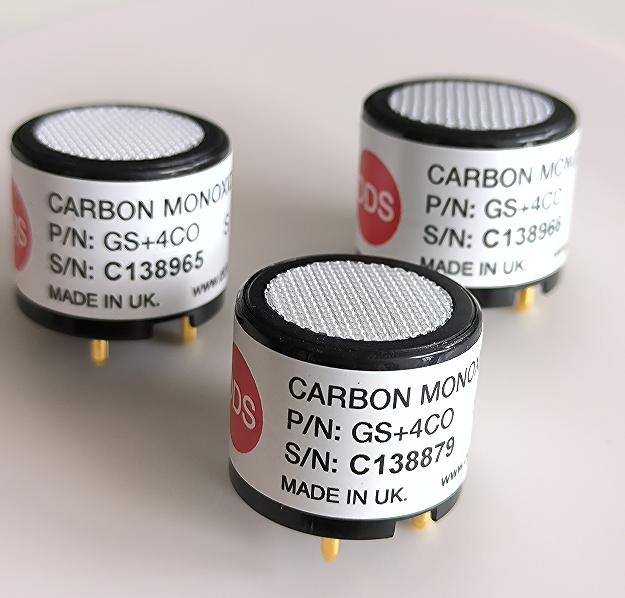
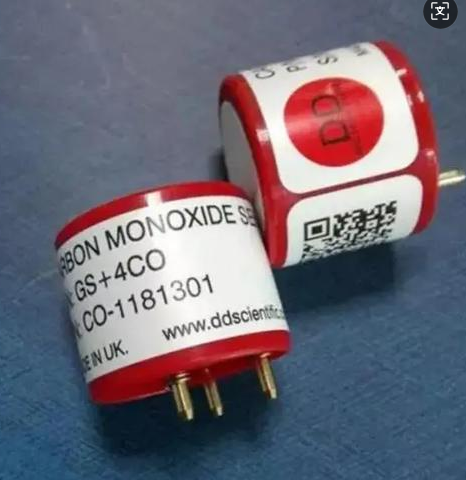
The DDS carbon monoxide sensor GS+4CO2H is an electrochemical sensor. As a high-quality carbon monoxide sensor, it is particularly suitable for environments with hydrogen interference. It features good stability, fast response and recovery capabilities, and strong environmental adaptability.
The DDS carbon monoxide sensor GS+4COHC is an electrochemical sensor. It is suitable for environments with high concentrations of carbon monoxide gas, offering good stability, strong environmental adaptability, and a measurement range of 0-10000 ppm.