Applications of Oxygen Sensors in Automobile Energy Conservation and Emission Reduction
Applications of Oxygen Sensors in Automobile Energy Conservation and Emission Reduction
Building an ecological civilization has always been a key priority closely linked to people's well-being, and it also constitutes an important part of realizing the Chinese Dream of national rejuvenation. Energy conservation and emission reduction stand as an enduring theme for the development of the automotive industry. Stepping up efforts in this field has become an urgent requirement for China to achieve sound and rapid economic growth.

Meanwhile, alongside global industrialization, the massive consumption of fossil fuels has inflicted severe impacts on the environment. The 12th Five-Year Plan for Energy Conservation and Emission Reduction issued by the State Council has refined and quantified relevant measures and targets for key regions and industries. Against this backdrop, the market for emission monitoring devices including oxygen sensors, which are applied to flue gas detection and combustion efficiency monitoring, will witness explosive growth.
Generally speaking, automobiles and factories are the major sources of gas emissions. With the growing popularity and rising number of vehicles, environmental and energy issues have become increasingly prominent. For this reason, more scientists and technicians are applying energy-saving and emission-reduction technologies to new-generation automobiles and striving to develop new eco-friendly power sources. Among relevant components, oxygen sensors help cut energy consumption and exhaust emissions by detecting and analyzing the composition of vehicle exhaust.
Most automobiles today still adopt internal combustion engine powertrains. The full combustion of fuel directly affects power output and exhaust composition. Insufficient air intake leads to incomplete combustion, resulting in fuel waste and excessive pollutant emissions. Excess air intake, on the other hand, will weaken vehicle power.
Oxygen sensors detect the oxygen content in exhaust gas to adjust air intake accordingly. This improves combustion efficiency and energy conversion rate, and effectively reduces harmful exhaust emissions.
Vehicle exhaust contains various gases such as oxygen (O₂), carbon monoxide (CO), carbon dioxide (CO₂), as well as lead and sulfur oxides. Specialized sensors are required to detect and regulate different gas components, so as to boost fuel combustion efficiency and energy utilization, and lower pollutant emissions. Currently, the main gas sensors equipped on automobiles are
oxygen sensors and carbon dioxide concentration sensors.
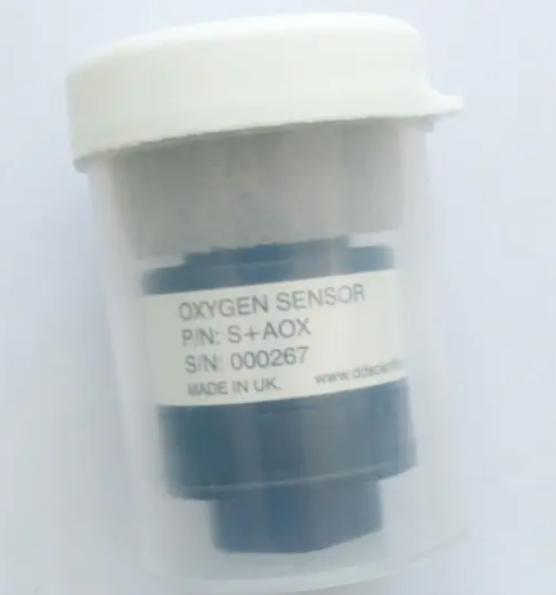
The S+AOX long-life lead-free oxygen sensor developed by
Shenzhen Wuliang Sensor Technology Co., Ltd. is specially designed for flue gas analysis. Classified by measuring range and service life, it is mainly used to detect ambient oxygen concentration. It is a widely adopted sensor for automotive energy conservation and emission reduction, and also one of the best-selling gas sensors of the company.
While the automotive industry creates a vast market for gas sensors, it also sets strict requirements on technical specifications and cost. Sensitivity, response speed and repeatability are the basic performance criteria.
High measurement accuracy ensures precise vehicle control. Automotive-grade reliability is a must, enabling the sensors to operate stably under extreme conditions including extreme temperatures, humidity, vibration and electrical load. In addition, cost control is critical, as domestic automakers impose stringent cost standards. These are the core goals that domestic sensor enterprises are committed to achieving.
We will continue to supply products that meet stringent quality standards, as well as accurate and reliable gas detection solutions, to fully satisfy diverse client demands and jointly advance the goal of energy conservation and emission reduction.