In daily life, there are many people around us who smoke. Although they are well aware that smoking is harmful to health, they still smoke one cigarette after another every day. Cigarettes contain many carcinogens, such as nicotine, tar, and benzene. These components cause significant damage to our liver, increase the metabolic burden on the liver, and even impair liver function.
Quitting smoking at any stage of life is beneficial to people’s health, and any measure that helps with smoking cessation will have a huge impact on public health. In fact, there are numerous benefits to quitting smoking, but very few people can succeed solely through willpower. The reason is that
cigarettes contain a substance called nicotine, which causes addiction in smokers and leads to changes in the structure and function of the brain after addiction develops. To successfully quit smoking, one should visit a smoking cessation clinic in a hospital.
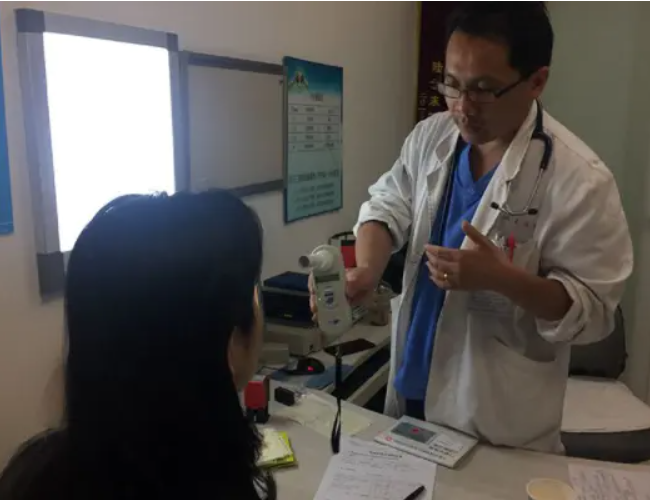
Generally speaking, doctors will conduct a carbon monoxide test on individual patients. Similar to drunk driving tests, smokers only need to blow into a carbon monoxide concentration detector for a few seconds to determine their smoking intensity level. Based on the gas detection principle of carbon monoxide sensors, this test can help detect and confirm the concentration of carbon monoxide inhaled by smokers, enabling those trying to quit to clearly and directly understand their health status. Doctors will then provide personalized smoking cessation advice based on the smoker’s health condition, and may also recommend some smoking cessation aids to support the quitting process.
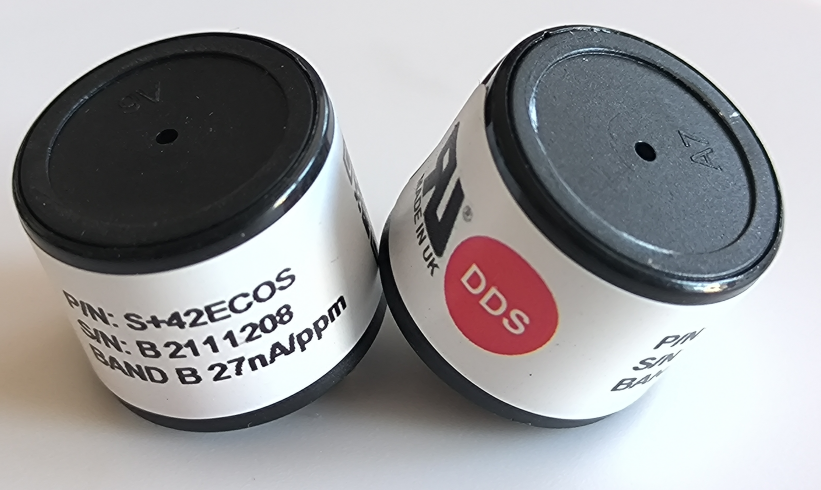
S+4 2ECOH is a type of carbon monoxide sensor designed for exhaled carbon monoxide detection. It is suitable for smoking cessation tests, featuring low hydrogen cross-interference, high stability, fast response speed, long service life, and low cost. At present, this carbon monoxide gas detection device is used in hospital smoking cessation clinics and clinical settings. It can collect and instantly measure and display the concentration of carbon monoxide in the lungs and respiratory tract of the human body, providing excellent guidance and support for people who want to quit smoking.
Of course, doctors also specially remind that similar to alcohol breathalyzers, the accuracy of the test results decreases as the time elapsed since the last cigarette increases. Generally speaking, the test results obtained 30 minutes to 1 hour after smoking are relatively accurate. By helping smokers "rationally" understand their blood carbon monoxide levels and health status, smokers are more willing to quit smoking or are less likely to start smoking in the first place.