A gas sensor is a commonly used measuring instrument, featuring advantages such as small size, flexible use, good stability, sturdiness and durability, and high reliability. Although gas sensors are easy to use, there are some issues that users need to pay attention to during operation. Today, we will specifically introduce the 4 key points for using gas sensors, hoping to be helpful to you.
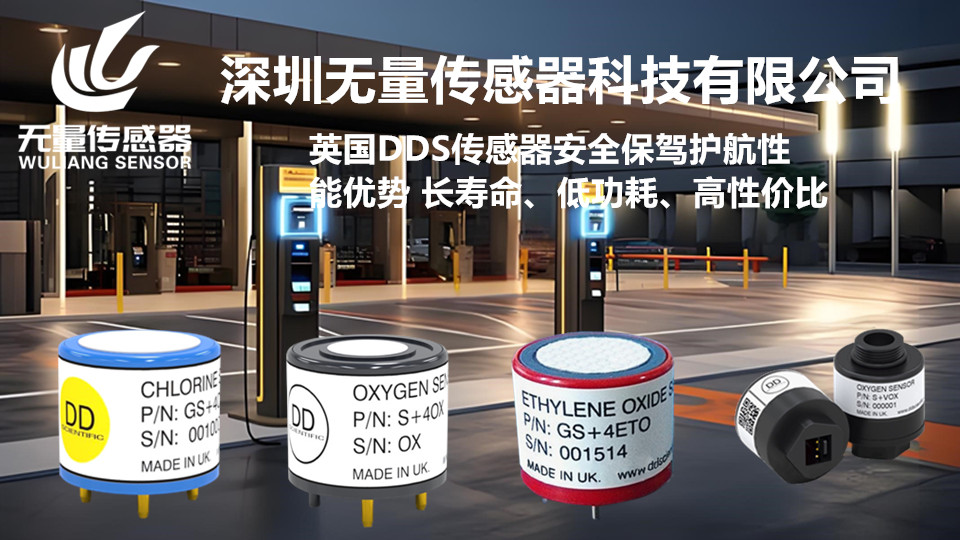
Generally speaking, among portable sensors:
The service life of an LEL (Lower Explosive Limit) sensor is approximately 3 years;
The service life of a photoionization detector is 4 years or longer;
The service life of an electrochemical sensor for specific gases is usually 1 to 2 years;
The service life of a carbon monoxide sensor is roughly 1 year.
Note: For electrochemical sensors, to prevent the internal electrolyte from drying out, they should be sealed and stored in a low-temperature environment when not in use for a long time. This can effectively extend their service life.
Gas sensors are usually measured using the relative comparison method. Therefore, zero calibration and standard calibration are indispensable tasks in the daily maintenance of sensors.
Any measurement where the concentration is too high or too low will increase the measurement error of the sensor or cause damage to the sensor.
Typically, each gas sensor is designed for a specific target gas. Therefore, when selecting a sensor, you should understand the properties of the gas to be measured and whether it will cause interference to the sensor's output.
Shenzhen Wuliang Sensor Technology Co., Ltd. provides introductions to
various gas sensors, including
oxygen sensors, carbon monoxide sensors,
hydrogen sulfide sensors, ammonia sensors, chlorine sensors, nitric oxide sensors, nitrogen dioxide sensors, ethylene oxide sensors, etc. If you are interested in our products, please feel free to contact us for consultation. Thank you!