Winter is a high-incidence season for gas poisoning. According to statistics, the number of deaths caused by carbon monoxide poisoning in Chinese households each year ranks third, second only to traffic accidents and industrial accidents. Emergency management departments and experts remind that carbon monoxide poisoning is one of the common
hidden dangers in winter. It is imperative to learn
general knowledge about heating, showering, fire use and other aspects, and raise awareness of prevention. In winter, coal stoves, gas stoves, vehicle air conditioners and other equipment bring warmth to people, but also bring various
hidden dangers. The general public is reminded to pay special attention to maintaining ventilation when using charcoal hot pots, gas water heaters, burning coal, charcoal or wood stoves. When driving with warm air on, it is even more important to open car windows frequently to prevent carbon monoxide poisoning.
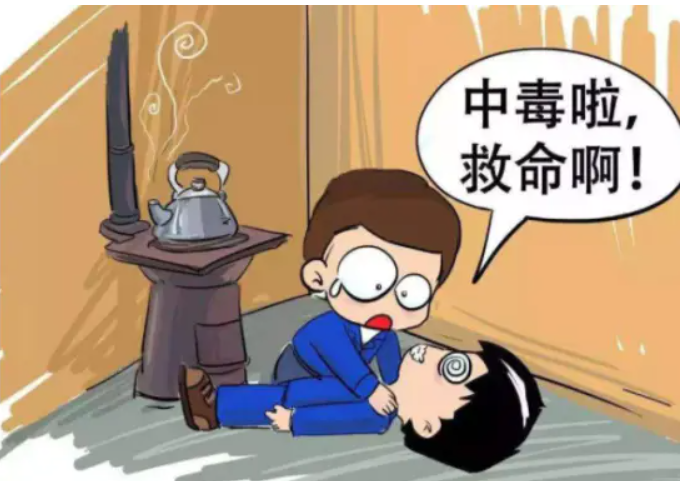
Dizziness, blurred vision, drowsiness and fatigue, unsteady walking, pale skin, confusion. Severe cases may experience difficulty breathing, trismus, generalized convulsions, incontinence of urine and feces, coma and other conditions.
Symptoms of mild carbon monoxide poisoning include dizziness, palpitations, nausea, vomiting and other discomforts.
In addition to the above symptoms, moderate to severe poisoning is also accompanied by flushing of the face, cherry-red lips, excessive sweating, rapid heart rate, restlessness and gradual progression into coma.
Severe patients quickly fall into a coma, with loss of reflexes, incontinence of urine and feces, cherry-red complexion, elevated body temperature, sluggish pupillary light reflex and corneal reflex, and may even die. Carbon monoxide poisoning is also likely to cause sequelae.
As the temperature drops sharply, everyone has started to prepare or has taken heating measures—closing doors and windows tightly, and lighting stoves and heaters. However, there are a series of hidden dangers during the heating process. A slight negligence may lead to carbon monoxide poisoning and even endanger lives. Every winter, there are cases of death due to carbon monoxide poisoning. To protect your life and health, let's take a look at how to prevent carbon monoxide poisoning in winter.
For those who use coal for heating, it is crucial to ensure adequate ventilation and install chimneys properly. Make sure the indoor ventilation system is in good condition and conduct inspections every quarter.
The room for coal heating should not be overly sealed. In case of carbon monoxide leakage, the gas will be difficult to discharge, creating a hidden danger. This is to prevent the accumulation of incompletely burned carbon monoxide due to poor ventilation.
Some rural areas are not equipped with central heating, and some people are accustomed to sealing windows with plastic cloth. This practice is extremely dangerous in case of carbon monoxide poisoning.
For coal-heated households, it is advisable to extinguish the stove before going to bed. If a large amount of carbon monoxide accumulates indoors in a closed room at night due to poor ventilation, the consequences would be unimaginable. Do not use gas stoves to heat your house. Installing carbon monoxide sensors is a reliable preventive measure.
Urban households using natural gas should also guard against carbon monoxide poisoning. After using gas, check whether the gas valve is closed and inspect the rubber valve for looseness or aging.
For residents using gas water heaters, open the window or at least leave a gap when taking a bath to keep indoor air circulating and avoid accidents.
Do not use generators, charcoal grills, camping stoves or other gasoline- or charcoal-burning equipment indoors, in basements, garages or near closed windows.
Inspect all fuel-burning appliances annually, including washing machines, dryers, HVAC systems, water heaters, ovens and stoves. Check not only the appliances themselves but also their ventilation systems.
Furthermore, special reminder is given to families with elderly people and children: before going out, be sure to check whether gas appliances are turned off. Do not leave the elderly or children alone indoors to prevent carbon monoxide poisoning. To protect the lives of your elderly family members and children, please pay attention to household prevention of carbon monoxide poisoning. An effective way to protect your family from carbon monoxide emissions is to install multiple carbon monoxide sensors/alarm devices. Meanwhile, you should also learn how to prevent carbon monoxide emissions.
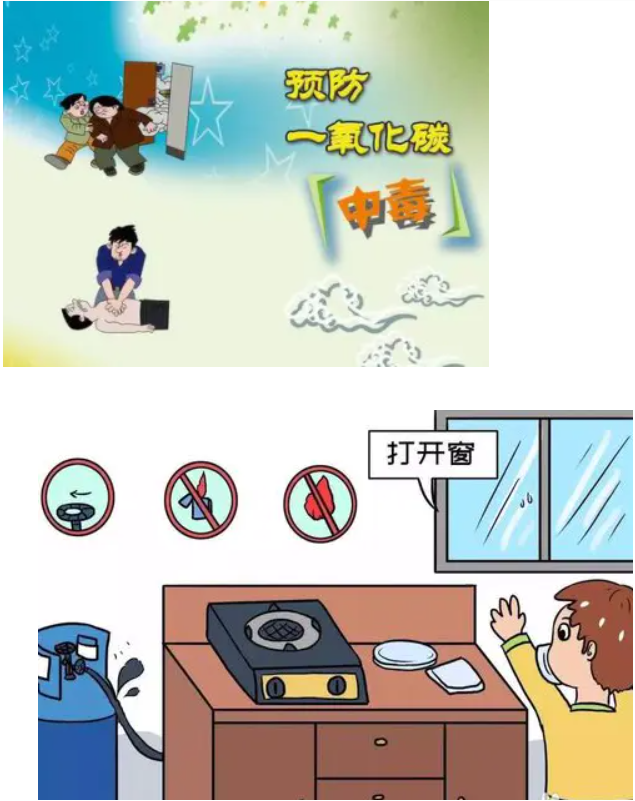
To better prevent such incidents,
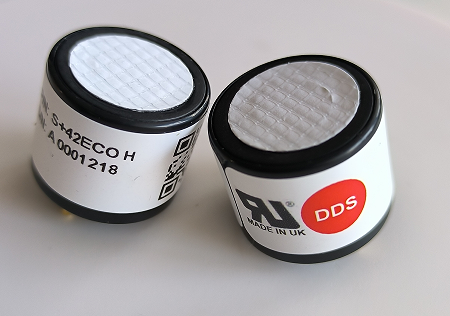
Shenzhen Wuliang Sensor Technology Co., Ltd. provides carbon monoxide sensors for real-time monitoring of carbon monoxide concentration. When the concentration reaches a certain threshold, the sensor will send out an alarm signal. Details of the
carbon monoxide sensor products are as follows:
The
S+4 2ECO electrochemical household carbon monoxide sensor, imported from the UK, is designed for monitoring carbon monoxide concentration in the air. It is a low-cost electrochemical sensor certified to UL2075 standards, widely used in
household applications, the Internet of Things (IoT), parking lot ventilation monitoring and other fields.
Measurement range: 0-1000ppm
Overload capacity: 0-2000ppm
Cross-sensitivity to hydrogen: less than 20%
Cross-sensitivity to alcohol: less than 0.25%
High stability
Strong environmental adaptability