Electrochemical
oxygen sensors hold certain advantages in the field of oxygen sensors due to their characteristics such as good selectivity, high sensitivity, and linear output. They have been widely applied in areas like grain storage, medical and health care, and environmental protection.
What are the factors that affect the service life of electrochemical oxygen sensors? The working principle of an electrochemical oxygen sensor is as follows: when oxygen molecules in the measured gas pass through the gas-permeable membrane, a redox reaction occurs inside the sensor. When oxygen molecules reach the surface of the positive electrode, a reduction reaction takes place, while an oxidation reaction occurs at the negative electrode simultaneously.
The failure analysis of electrochemical oxygen sensors involves studying their failure modes, failure mechanisms, and failure causes. Its purpose is to eliminate or minimize various factors that may potentially lead to product failure, and it is an effective method to improve product reliability. Based on the actual conditions of life tests and various stages including initial development, design, finalization, manufacturing, aging, usage, maintenance, and scrapping, the main factors affecting the service life of electrochemical oxygen sensors produced by
Shenzhen Wuliang Sensor Technology Co., Ltd. are summarized as follows:
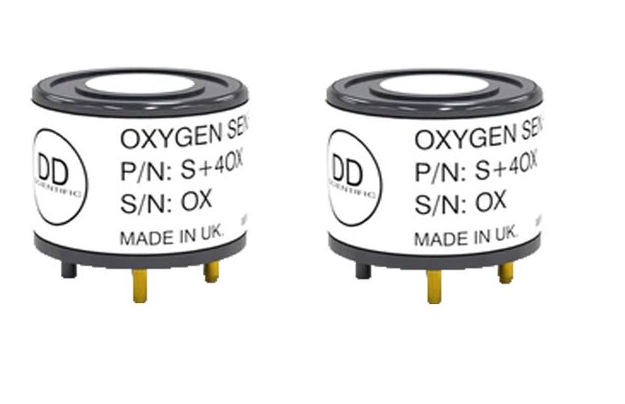
① Volatilization and leakage of the electrolyte;
② Passivation reaction of the negative electrode metal Pb after the surface reaction deposits PbO;
③ Deterioration of the gas permeability and water-repellent ability of the gas-permeable membrane.
To address the factors affecting the service life of electrochemical oxygen sensors, during the sensor design and manufacturing process, efforts should be made to enhance structural tightness, conduct research on modification technologies for the negative electrode Pb material to improve the activity of the negative electrode and delay passivation, and carry out in-depth research on the stabilization of the gas-permeable membrane. By doing so, the service life of the sensor can be further extended.