Sensors Facilitate Urban Flood Control Monitoring and Solve Urban Waterlogging Problems
Sensors Facilitate Urban Flood Control Monitoring and Solve Urban Waterlogging Problems
With the rapid development of urbanization in China, extensive ground hardening caused by urban construction has led to most rainfall forming surface runoff, while only a small amount of rainwater seeps into the ground, resulting in a series of problems such as urban waterlogging. At present, floods have occurred in many regions, and both northern and southern China have entered the main flood season. Compared with previous years, this year's flood season has not only arrived 4 days earlier, but also presents a severe situation characterized by frequent occurrences, wide coverage and ferocity.
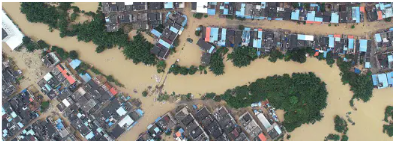
Urban waterlogging, river backflow, traffic congestion, bridge/ building damage and other issues caused by abnormal climate in the rainy season have brought enormous pressure to municipal and traffic management departments, inflicted economic losses and casualties on the country and people, and seriously affected the normal operation of cities. At present, torrential rains are still continuing in some areas. Nevertheless, although floods are fierce, they are not unpreventable. Since the start of the flood season, the China Meteorological Administration has held special video conferences to strengthen real-time monitoring and analysis as well as short-term and imminent forecasting and early warning against local sudden severe weather.
Recently, to cope with the severe pressure of flood control during the flood season, the "Unified Urban Management Platform" flood control and typhoon prevention command system in Shanghai has realized real-time monitoring and disposal of rainstorm warnings, waterlogging forecasts, waterlogging changes, emergency rescue and disposal situations through the adoption of camera and sensor monitoring technologies. For instance, cameras are used for waterlogging monitoring, while more than 5,000 gas sensors are deployed for real-time online condition monitoring.
It is reported that the system operates 24 hours a day for continuous real-time monitoring. When the monitored waterlogging depth reaches 5 centimeters, the sensors will automatically send an alarm to the system. Upon receiving the alarm from the background, the relevant departments will immediately dispatch personnel to the scene for disposal. Moreover, when the waterlogging depth reaches 25 centimeters, the relevant data will be simultaneously pushed to public security departments, road transportation departments and other authorities, enabling multi-department joint duty and coordinated response.
At present, more than 5,000 various types of gas sensors have been installed in Shanghai's flood control and waterlogging monitoring system, transmitting data to the background every 5 minutes. In addition, such information is also pushed to the general public through platforms including official WeChat accounts and Amap. Besides sensors, cameras installed on some roads can also conduct video monitoring. The background utilizes intelligent image recognition technology to analyze whether waterlogging has occurred and send out alarm notifications. Up to now, 1,418 drainage pumping stations, nearly 28,000 kilometers of underground drainage pipe networks, 736 evacuation sites, 64 waterlogging-prone spots, 14,000 residential communities, and over 100 flood control teams and vehicles in Shanghai have all been connected online, forming an integrated "single network" for flood control and typhoon prevention.