Sensors Will Realize the Integration of Modern Technology and Traditional Industries
Sensors Will Realize the Integration of Modern Technology and Traditional Industries
Sensors are a high-tech field that emerged in the middle of the last century. With the rapid development of the information industry, sensors have gradually gained prominence in all walks of life. Today, sensors have been integrated into our production and daily lives—they are increasingly present in smartphones, smart homes, robots, autonomous driving systems, and even medical applications. Going forward, as the intelligent era advances further, sensors will only grow more important.
The development of technology has brought convenience to production and daily life. Just like the prevalent "Internet Plus" model nowadays, sensors are also demonstrating great potential value in traditional industries. For instance, industries such as petroleum and petrochemicals, coal mining, and animal husbandry utilize
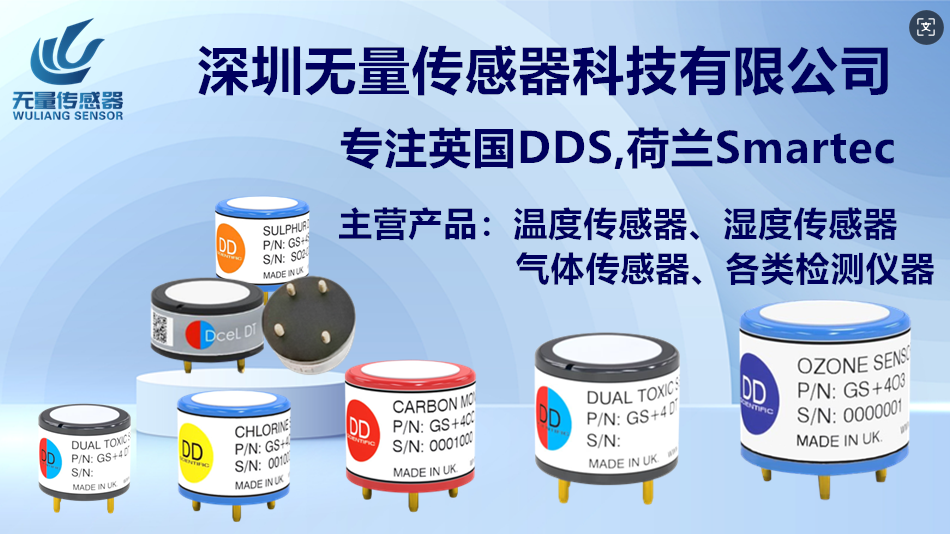
oxygen sensors, carbon monoxide sensors, hydrogen sulfide sensors, ammonia sensors,
chlorine sensors, ethylene
oxide sensors, and temperature sensors.
In the past, the poultry incubation industry had no concept of constant temperature and humidity. Although many people recognized the importance of temperature, they believed that incubation equipment and egg quality were the sole determinants of hatching rates. In reality, the environment of the hatchery exerts a significant impact on poultry production and incubation. It is understood that many hatcheries do not treat the air entering the incubation equipment and directly discharge waste gas into the incubation workshop, leading to the recirculation of waste gas back into the equipment. Additionally, due to weather variations, the temperature and humidity of the incoming air fluctuate greatly, resulting in unstable air quality inside the equipment, which in turn affects the survival and development of livestock and poultry embryos.
This underscores the importance of environmental monitoring in hatcheries. First and foremost is temperature and humidity control: hatcheries have stringent requirements for these two factors, and their needs vary across different stages of incubation and breeding as well as with weather changes. Temperature and humidity sensor monitoring technology enables automatic monitoring and regulation of these conditions. Gas sensors can also be used to monitor gas concentrations in the facility; when sensors detect excessively high levels of certain harmful gases, ventilation and air exchange measures can be taken to reduce their concentrations.
With the continuous progress of society, traditional agricultural production methods can no longer meet the demands of modern civilization, giving rise to the gradual emergence of smart agriculture. In the integration of Internet of Things (IoT) technology and traditional agriculture, sensors are a key enabling technology. In the past, agriculture relied heavily on the whims of nature; now, with the help of sensors, we can largely break free from the constraints of weather and other natural factors, enabling remote and scientific monitoring in fields such as farmland, greenhouses, aquaculture, and animal husbandry. Sensor monitoring technology can also enhance agriculture’s disaster resistance and risk resilience through scientific analysis, thereby boosting agricultural productivity.
A wide variety of sensors can be applied in agriculture. For example, temperature and humidity sensors monitor environmental conditions; soil moisture sensors analyze the water requirements of crops; light sensors detect and control light intensity to ensure crops receive uniform illumination; and carbon dioxide sensors regulate CO₂ concentrations.
Similarly, related sectors such as forestry and flower cultivation can also leverage sensors to drive the intelligent development of traditional industries.
Sensors are a centerpiece of current technological development. Various sensor technologies are constantly being updated, and their application outcomes are flourishing across the board. As technology marches forward, we hope that modern technology will drive the development of traditional industries in tandem, translating technological achievements into tangible benefits that improve people’s lives.