The Important Role of Nitrogen Dioxide Sensors in Industrial Exhaust Gas Detection
With the rapid expansion of industrial production and enterprises, pollution from industrial exhaust emissions has become a prominent environmental issue in China. At present, exhaust gas constitutes a major source of air pollutants. Massive discharges of industrial waste gas into the atmosphere degrade ambient air quality, pose severe threats to public health, and inflict heavy losses on the national economy.

In recent years, factories have attached growing importance to the monitoring of toxic gases generated during chemical manufacturing processes. Nitrogen dioxide (NO₂) is a key industrial gas widely applied in industrial water treatment agents, bleaching of pulp and fibers, refining of flour, oils and sugar, as well as dehairing of leather. Meanwhile, nitrogen dioxide is a toxic gas featuring a reddish-brown hue, paramagnetic properties and an irritating odor, and it dissolves readily in water. Exposure to low concentrations of NO₂ (4 ppm) can numb the nasal passages, which may lead to excessive inhalation. Long-term exposure to environments with NO₂ concentrations ranging from 40 to 100 milligrams per cubic meter causes severe adverse health effects. Therefore, real-time monitoring of nitrogen dioxide inside factories is essential to protect staff from NO₂-related health hazards and prevent disruptions to production.
Common instruments for NO₂ detection include analytical devices built on optical technologies such as the Saltzman method and chemiluminescence. While these instruments deliver precise analytical readings, they are mostly large-scale equipment with high operating costs and regular maintenance requirements, making them unsuitable for indoor monitoring scenarios like factory workshops. Electrochemical nitrogen dioxide gas sensors are now the mainstream solution. Characterized by compact size and low cost, NO₂ sensors enable simple and rapid detection of ambient nitrogen dioxide concentrations, facilitating the automation and miniaturization of monitoring equipment.
Industrialization has driven rapid technological innovation, yet it has also triggered severe environmental challenges, air pollution being one of the most critical. Humans breathe air every second, and air quality exerts a profound impact on physical well-being. Nevertheless, exhaust from motor vehicles and industrial facilities is directly released into the air, triggering air pollution and a wide range of health complications. Against this backdrop, developing low-cost, high-efficiency and highly sensitive sensors for detecting pollutant gases in the air has become an urgent priority.
Industrial exhaust gas refers to the collective term for all pollutant-laden gases emitted from fuel combustion and production activities within factory premises. Such waste gases contain carbides, sulfides, fluorides, nitrogen oxides, smoke dust and other contaminants. These hazardous gases enter the human body through the respiratory tract via different pathways. Some cause immediate bodily harm, while others produce cumulative toxic effects that pose more serious long-term risks to human health, with each substance triggering distinct adverse impacts.
Industrial exhaust gas purification refers to the dedicated pretreatment of waste gas generated at industrial sites such as factories and workshops, followed by emission treatment to meet national industrial exhaust discharge standards. Purified exhaust gas generally requires testing to verify compliance with relevant emission limits.
Most online industrial exhaust monitoring systems available on the market adopt a one-to-one measurement model to test multi-component industrial waste gas. However, industrial exhaust contains numerous gaseous components, and a single meter within such monitoring systems can only detect one type of gas. To monitor multiple substances in complex mixed gas streams, various specialized meters must be installed for simultaneous measurement. This one-to-one monitoring method not only wastes capital investment and installation space but also increases the maintenance workload for monitoring personnel responsible for each individual meter.
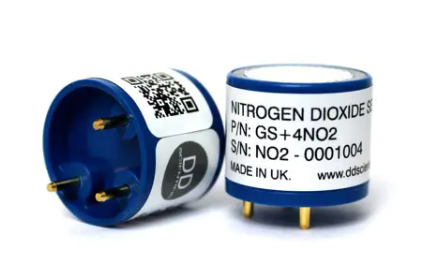
Shenzhen Wuliang Sensor Technology Co., Ltd. supplies British DDS nitrogen dioxide sensors, including the standard Series 4 and Series 7 models for industrial leakage detection, alongside Series 3 and Series 5 products designed for emission monitoring, delivering dependable performance assurance for industrial clients.