UK DDS Carbon Monoxide Sensor: Strict Prevention of Gas Poisoning in Autumn and Winter
Winter is a high-incidence season for carbon monoxide poisoning. According to statistics, the number of deaths caused by carbon monoxide poisoning in Chinese households each year ranks third, second only to traffic accidents and work-related accidents. Recently, cold waves have hit many cities, with daily snowfall even exceeding 20 centimeters, which is somewhat extreme. In addition to preventing the impact of accumulated snow and road ice on transportation, we must also be alert to carbon monoxide poisoning accidents caused by heating during temperature drops.
Carbon monoxide is a colorless and odorless gas, which is often overlooked by people, leading to poisoning. In a poorly ventilated environment, people are likely to inhale a large amount of carbon monoxide, resulting in hypoxia and poisoning. In severe cases, it may even cause death.
At home, carbon monoxide poisoning usually occurs during activities such as using coal stoves for cooking, gathering around stoves for tea or heating, and eating charcoal hot pot. When doors and windows are tightly closed and smoke exhaust is unsmooth, carbon monoxide poisoning is prone to happen.
In cases of mild poisoning, patients may experience symptoms such as dizziness, blurred vision, and general weakness. These symptoms are usually caused by hypoxia, which occurs when carbon monoxide enters the body and binds to hemoglobin.
In cases of moderate poisoning, patients may have symptoms including excessive sweating, irritability, unsteady walking, pale skin, confusion, and drowsiness with weakness. These symptoms indicate that the patient is in a state of moderate hypoxia and requires timely measures for treatment.
In cases of severe poisoning, patients may present with symptoms such as unconsciousness, trismus (locked jaw), general convulsions, incontinence of urine and feces, cherry-red discoloration of the face and lips, rapid breathing, rapid pulse, increased blood pressure, and arrhythmia. These symptoms mean the patient is in a state of severe hypoxia and urgent first-aid measures must be taken to prevent life-threatening situations.
Critically severe patients may experience persistent deep coma, weak pulse, irregular breathing, decreased blood pressure, or high fever of 40°C. These symptoms indicate that the patient is in an extremely critical condition and requires immediate first-aid measures and professional medical treatment.
When using heating equipment such as coal stoves and charcoal fires indoors, doors and windows must not be completely closed. Leave a certain gap to allow indoor air circulation, and open windows frequently for ventilation to keep the air fresh.
Every night before going to bed, be sure to check whether the stove fire is properly sealed, the stove cover is tightly closed, the air damper is open, and the smoke exhaust is smooth.
Install and use heating equipment such as coal stoves and charcoal fires correctly. Water heaters should be installed in well-ventilated outdoor areas as much as possible. When taking a bath, do not close the bathroom doors and windows tightly, and the bathing time should not be too long.
Heating equipment such as coal and stoves should be kept away from flammable, explosive, and volatile toxic substances.
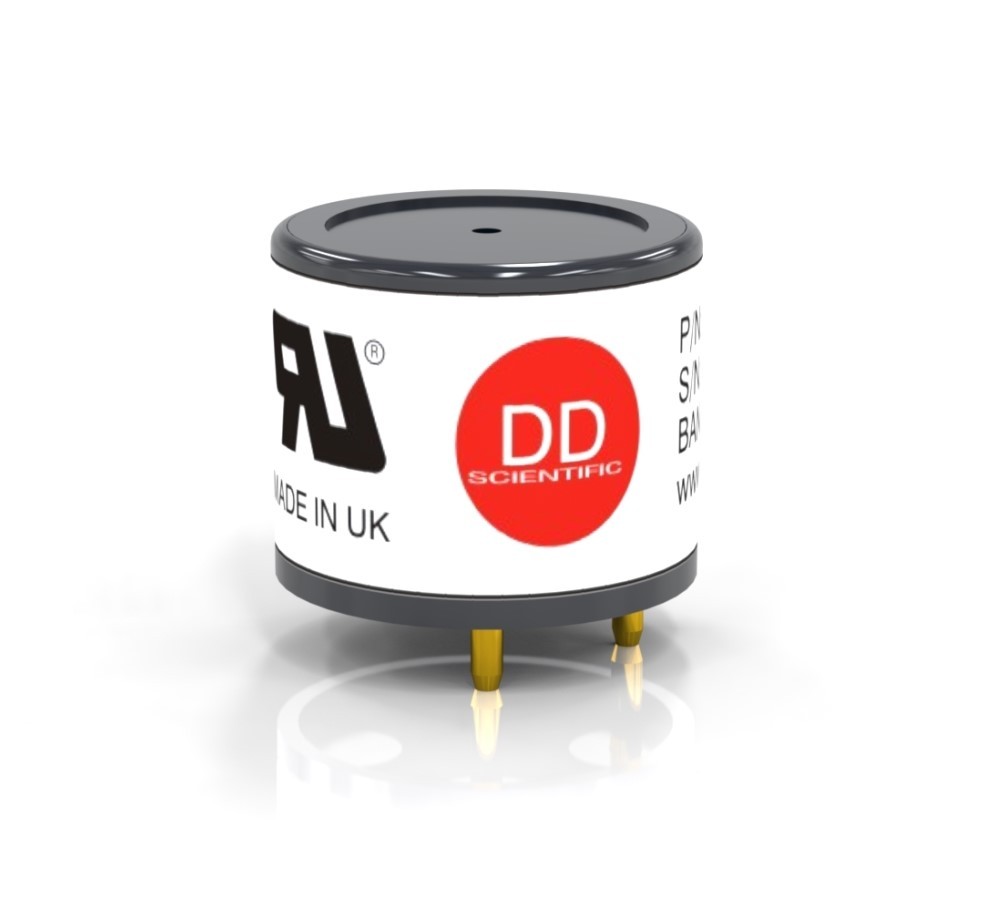
Carbon monoxide alarms can effectively monitor the concentration of carbon monoxide gas. When the concentration of carbon monoxide in the air reaches the set value, they will quickly issue an alarm signal to remind people to eliminate the danger and effectively avoid accidents.
In recent years, many regions have chosen to install carbon monoxide alarms to prevent carbon monoxide poisoning. Through publicity on carbon monoxide poisoning prevention, hidden danger inspections, and the installation of carbon monoxide alarms, the public’s awareness of fire safety and the ability to prevent carbon monoxide poisoning have been further improved, ensuring that dangers are detected in a timely manner and the public’s lives are protected to the greatest extent. Electrochemical carbon monoxide sensors are a common type of sensor used in carbon monoxide alarms.
The characteristic of electrochemical carbon monoxide sensors is that the current is completely proportional to the carbon monoxide concentration, and the output signal has a good linear relationship with the gas concentration, making signal processing and display very convenient. Moreover, electrochemical sensors have high sensitivity and can quickly detect changes in carbon monoxide concentration, playing a role in alarm and prevention.
The GS+4CO sensor is very suitable for household CO alarms and is also widely used in lithium battery fire detection, generator fire detection, underground parking lot CO monitoring, etc.
Cut off the source of carbon monoxide: Immediately open windows for ventilation to allow air circulation. Quickly turn off the valves of gas stoves and water heaters, shut off pipeline gas, and extinguish charcoal fires. Avoid using items that are easy to produce sparks, such as lighters.
When finding someone poisoned: Rescuers should cover their mouths and noses with a wet towel, lean over to enter the room, turn off the gas, and avoid open flames or switching on/off electrical appliances. Quickly move the patient away from the poisoning site to a place with fresh air and good ventilation. Unbutton the patient’s collar to keep the respiratory tract unobstructed, and at the same time, pay attention to keeping the patient warm to prevent complications.
While waiting for emergency rescue: The patient should rest quietly to avoid increasing the burden on the heart and lungs and the consumption of oxygen. At the same time, keep the patient warm. For critically ill patients with respiratory and cardiac arrest, immediately perform artificial respiration and chest compressions.
While conducting on-site first aid: Immediately call the 120 emergency number and send the patient to the hospital for treatment as soon as possible.