Ethylene oxide sensors can use either ordinary catalytic combustion sensors or dedicated electrochemical sensors, depending on the dual properties of ethylene oxide. These sensors are imported from abroad, ensuring high detection accuracy. Ethylene oxide alarms are widely applicable in locations containing ethylene oxide gas, such as workshops, chemical plants, metallurgical facilities, fuel plants, and warehouses. Installed on-site, ethylene oxide alarms can detect the concentration of ethylene oxide. When the surrounding environment reaches the alarm concentration level, they can activate ventilation, shutdown, and sprinkler systems to prevent explosions, fires, and poisoning accidents, thereby ensuring production safety.
Shenzhen Wuliang Sensor Technology Co., Ltd. recommends a commonly used ethylene oxide sensor:
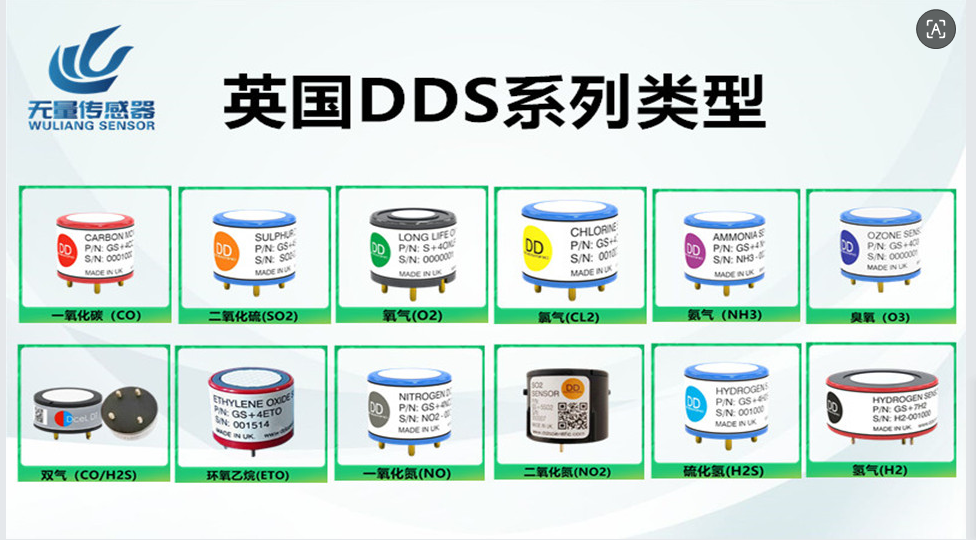
A high-quality ethylene oxide gas sensor, suitable for fixed gas detectors.
High stability, fast response and recovery times, and strong environmental adaptability.
Operating Temperature Range: -20–+50℃
Pressure Range: 800–1200mbar
Humidity Range: 15%-90%RH
Long-term Output Drift: <20% per year
Storage Temperature: 0–20℃
Expected Operating Lifetime: >24 months
Warranty Period: 12 months
Current at 2000ppm: 0.3mA
Open Circuit (O/C) Voltage: 1.3V
Short Circuit (S/C) Current: <1A