Beware of Carbon Monoxide, the "Silent Killer": A Guide to Proper Sensor Use
As temperatures drop in autumn and winter, carbon monoxide poisoning incidents enter a high-incidence period. Known as the colorless, odorless "silent killer", carbon monoxide cannot be detected by human senses. As core devices for early warning, carbon monoxide sensors are being widely adopted in households, homestays and small commercial premises. Recent safety inspections conducted by emergency management and fire departments across regions indicate that many poisoning accidents could have been prevented. Improper sensor selection, installation and maintenance often disable early warning functions and create safety hazards.
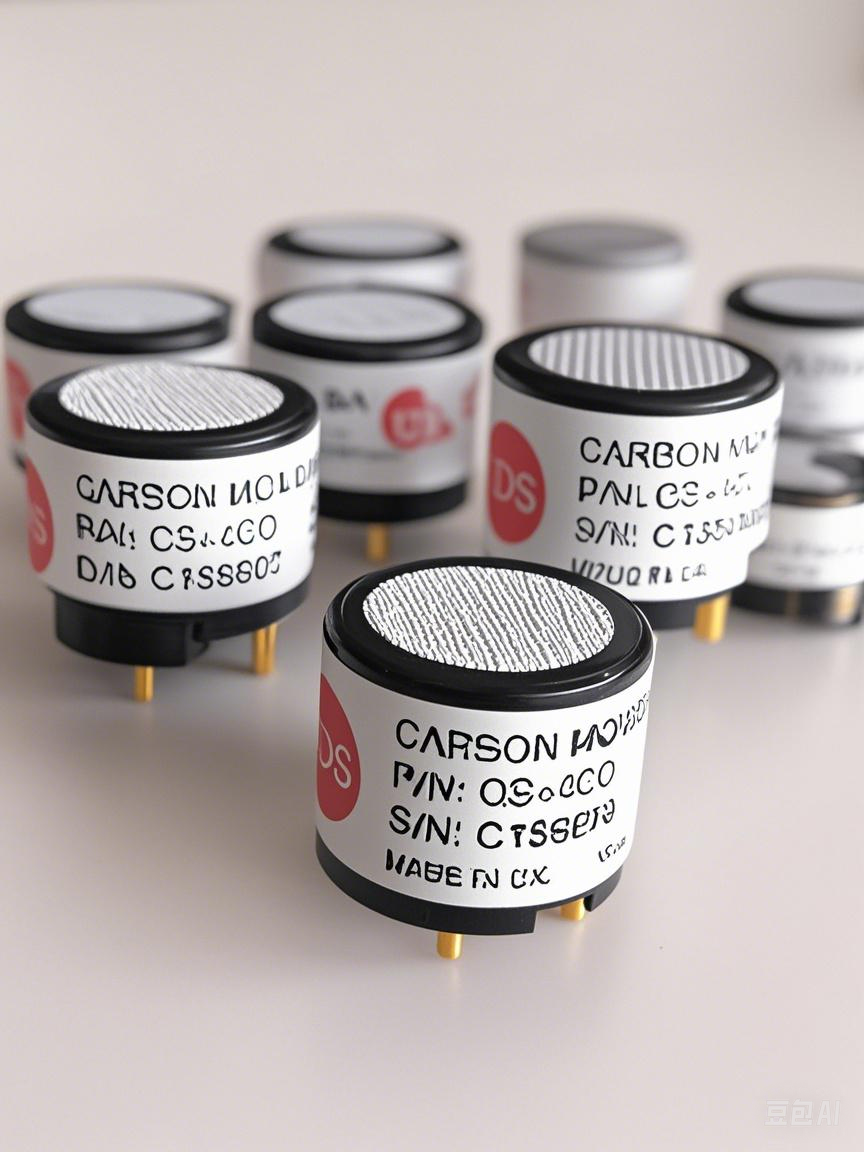
During the special winter gas safety inspections carried out in multiple regions recently, inspectors found many common misuses of carbon monoxide sensors in various sites. Some residents confuse gas alarms with carbon monoxide sensors, mistakenly believing that natural gas detectors can monitor carbon monoxide. Some households opt for cheap, uncertified low-quality sensors with insufficient sensitivity, which fail to trigger alarms when gas concentrations exceed safe limits. Although some homestays and rental houses have installed sensors, these devices become mere decorations due to neglected battery replacement, incorrect mounting positions, blockage by furniture or expired service life. Reviews of multiple carbon monoxide hazard cases released by fire departments show that qualified and properly functioning carbon monoxide sensors can sound alarms before poisoning symptoms appear in most cases, buying precious time for evacuation.
Carbon monoxide sensors work based on electrochemical sensing elements that detect changes in carbon monoxide concentration in the air. When readings exceed the safety threshold, audible and visual alarms are activated to warn people to evacuate. Unlike ordinary gas sensors, carbon monoxide sensors are designed specifically for CO generated by incomplete combustion and cannot detect methane or liquefied petroleum gas. Commercially mainstream electrochemical CO sensors suffer from baseline drift. Long-term exposure to varying temperature and humidity will shift the zero point, which is referred to as baseline error. Standard products are typically specified with a baseline range of ±2ppm under ambient temperature reference conditions. Baseline drift will occur at high or low temperatures, so sensor chips require temperature compensation algorithms to calibrate the zero point and ensure detection accuracy across the full temperature range.
Sensors have a limited service life. Electrochemical CO sensors are consumable components with a typical lifespan of around 5 years. Many users are unaware of this limitation and keep sensors for more than a decade. The sensing element ages and loses effectiveness, failing to detect gas even when powered on. Installation standards are also critical: carbon monoxide is slightly lighter than air. Sensors should be mounted approximately 30 cm below the ceiling in rooms with heating appliances or water heaters. They must not be placed where exhaust airflow or cooking fumes blow directly onto the sensor, as this disturbs the detection baseline and causes false or missed alarms.
Industry technicians explain that new-generation carbon monoxide sensors feature optimized temperature compensation circuits to reduce full-temperature-range baseline drift and deliver stronger resistance to moisture and cooking fumes, making them ideal for bathrooms, kitchens and enclosed heating rooms. However, even the best sensor serves only as an early warning tool and cannot replace ventilation. Maintaining good air circulation remains the primary safety measure when using charcoal braziers, old non-vented water heaters and fuel-fired heaters in confined spaces.
Emergency management authorities offer purchasing guidance: carbon monoxide sensors must have relevant fire safety certifications. Avoid cheap uncertified products. After purchase, press the test button for self-inspection every month, regularly check battery power, and replace the whole unit once it reaches the end of service life — do not merely replace batteries and continue using it.
Do not panic if the sensor triggers an alarm. Immediately open windows for ventilation, turn off combustion equipment and evacuate to fresh outdoor air. Do not switch lights on/off or make phone calls indoors, to prevent electric sparks from igniting flammable gas. Seek medical help promptly if symptoms such as dizziness and nausea occur, and watch out for delayed encephalopathy.
Carbon monoxide is invisible and odorless. Never take risks with prevention. Proper selection, standardized installation and regular maintenance of carbon monoxide sensors, together with good ventilation habits, help build solid home safety defenses against this silent killer lurking around us.